The Process Is More Straightforward Than Most Homeowners Expect
A new concrete driveway is one of the more involved home improvement projects, but it follows a clear sequence. Knowing what happens at each stage helps you plan around the work and avoid surprises.
Most residential driveways take between two and four days from excavation to finishing, with additional time needed for curing before the surface can take vehicle traffic.
Checking Approvals and Underground Services Before Anything Else
Before any digging starts, two things need to be confirmed. First, your driveway may require approval your local council, particularly if it involves a new or altered vehicle crossing at the kerb. Skipping this step can result in costly rectification work later.
Second, underground utilities need to be located before excavation begins. Gas lines, water pipes, and electrical conduits can run beneath your property, and calling before you dig is a standard part of responsible site preparation.
A reputable concrete contractor will handle both of these steps as part of the project setup, not as an afterthought. They will be able to communicate with your if something needs to be actioned.
Site Preparation and Excavation
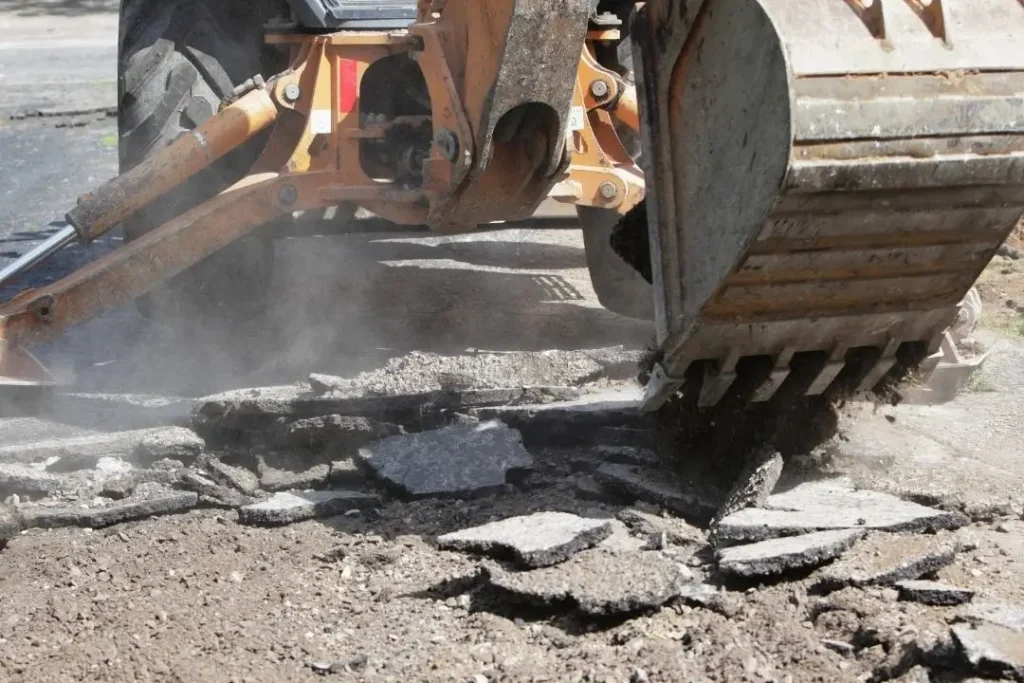
Once approvals are in order and services are marked, the existing surface gets removed. This might mean breaking up old concrete, stripping turf, or cutting back compacted soil depending on what is already there.
The ground is then excavated to the correct depth, typically 100mm for a standard residential driveway. Getting this depth consistent across the whole area matters because uneven sub-base thickness leads to cracking over time.
After excavation, a compacted sub-base of road base or crushed rock is laid and compacted. This layer carries the load and prevents movement in the slab.
Formwork and Steel Reinforcement
Timber or steel formwork is set up around the perimeter of the driveway to hold the concrete in shape while it sets. The formwork also determines the finished level of the slab, so it needs to be set accurately with correct falls for drainage.
Steel reinforcement, usually mesh or bar, is then placed within the formwork. Reinforcement does not stop concrete from cracking entirely, but it holds any cracks together and maintains the structural integrity of the slab.
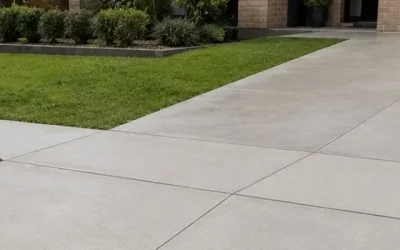
Control joints are also planned at this stage. These are deliberate weak points cut or formed into the slab that direct where cracking occurs, keeping it neat and manageable rather than random.
Pouring and Finishing the Concrete
Concrete is ordered from a batching plant and delivered by truck. The mix specification matters here. A driveway needs a concrete mix rated for vehicle loads, typically a 25 MPa or 32 MPa mix depending on the application.
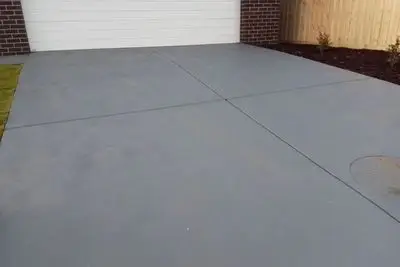
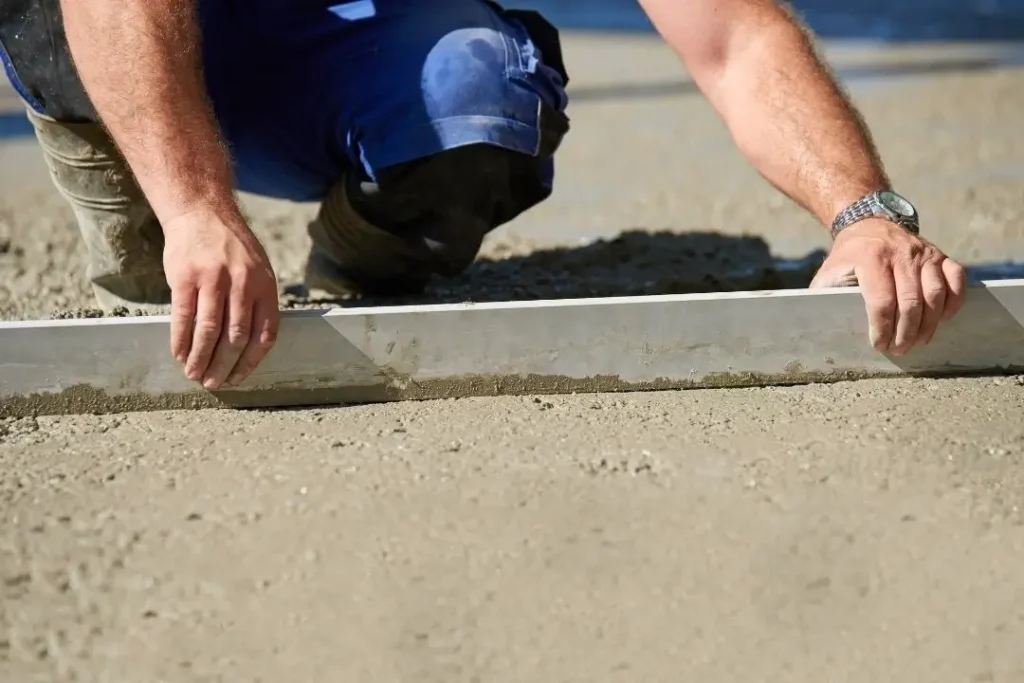
Once poured, the concrete is screeded level, then floated and finished. The surface texture affects both appearance and slip resistance. A broom finish is the most common choice for driveways because it offers good grip in wet conditions.
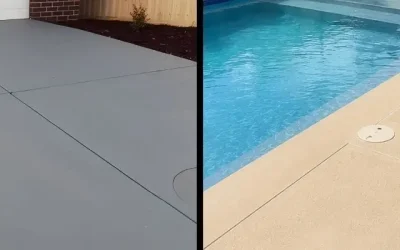
If you are considering a decorative option such as exposed aggregate or coloured concrete, the finishing process differs and takes longer. The cost of a concrete driveway can vary significantly depending on which finish you choose.
Curing: The Stage Most Homeowners Underestimate
Curing is the process of keeping the concrete moist while it gains strength. It is not optional. Concrete that dries out too quickly can crack, dust, or lose surface hardness.
A curing compound is sprayed onto the surface immediately after finishing to seal in moisture. In hot or windy conditions, additional measures such as wet hessian or plastic sheeting may be used.
Foot traffic is generally safe after 24 to 48 hours. Vehicle traffic should wait at least seven days, and ideally 28 days for full strength. Driving on a freshly poured slab too early is one of the most common causes of surface damage.
What Happens After the Concrete Is Poured
Once the slab has cured, formwork is removed and any edge work or finishing touches are completed. If the driveway connects to a kerb crossing, that section is checked against the approved design.
The surrounding area will likely need some tidying. Excavation and concrete work disturbs soil and garden edges, so allow for minor landscaping or reinstatement around the perimeter once the job is done. This can be a good opportunity to get some landscaping work completed, to give your front yard the full completed finish.
Your contractor should walk you through the finished work before leaving site, including any care instructions for the first few weeks.
What to Ask Your Contractor Before Work Starts
Before committing to a quote, confirm that the contractor will handle council approvals and utility checks as part of the job. Ask about the concrete mix specification and what reinforcement will be used.
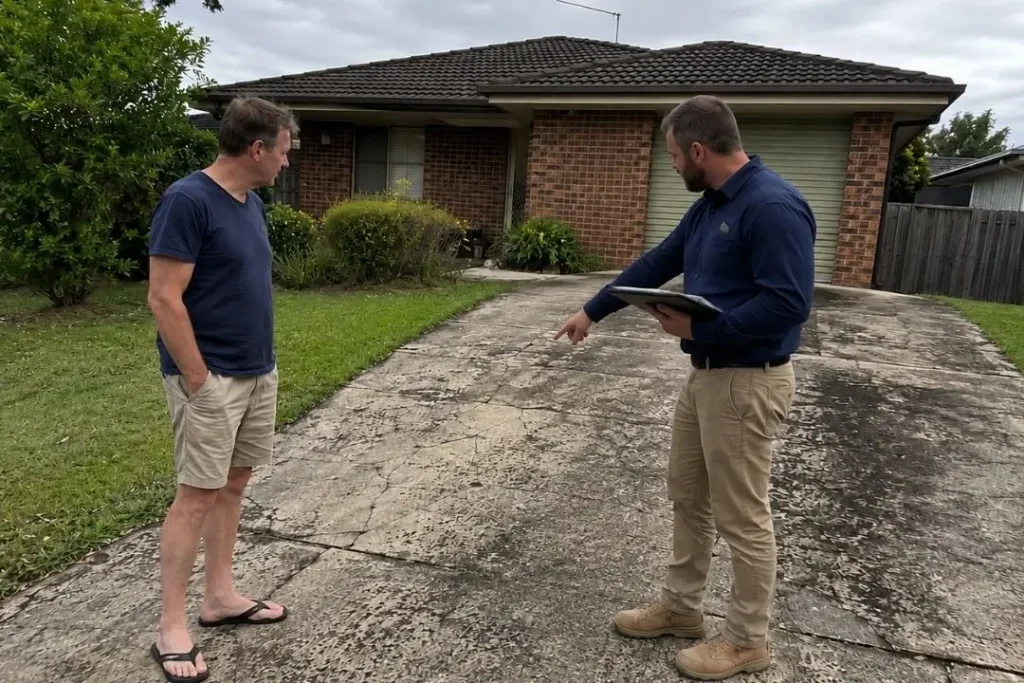
Find out how long the project will take and when the driveway will be ready for vehicle use. Clear timelines help you plan around the disruption, particularly if the driveway is your main access point.
For driveway concreting in Penrith and the surrounding area, working with a local contractor means they are already familiar with council requirements and local soil conditions.
Ready to Start Planning Your New Driveway?
If you have a clear picture of the process, you are in a much better position to ask the right questions and make confident decisions. Our team works with Penrith homeowners through every stage, from the initial quote to the finished slab.
Call us on (02) 4703 9838 or send us a message through our online enquiry form to get started with your free on-site quote.