Two Solid Options, But the Right One Depends on Your Home
Plain and coloured concrete are both durable, practical choices for driveways, paths, patios and outdoor areas. The difference comes down to budget, aesthetics and how much maintenance you want to take on over the years.
Neither option is universally better. The right choice depends on your home’s exterior, your council’s requirements, and what you want the finished space to look and feel like.
What Plain Concrete Actually Looks Like
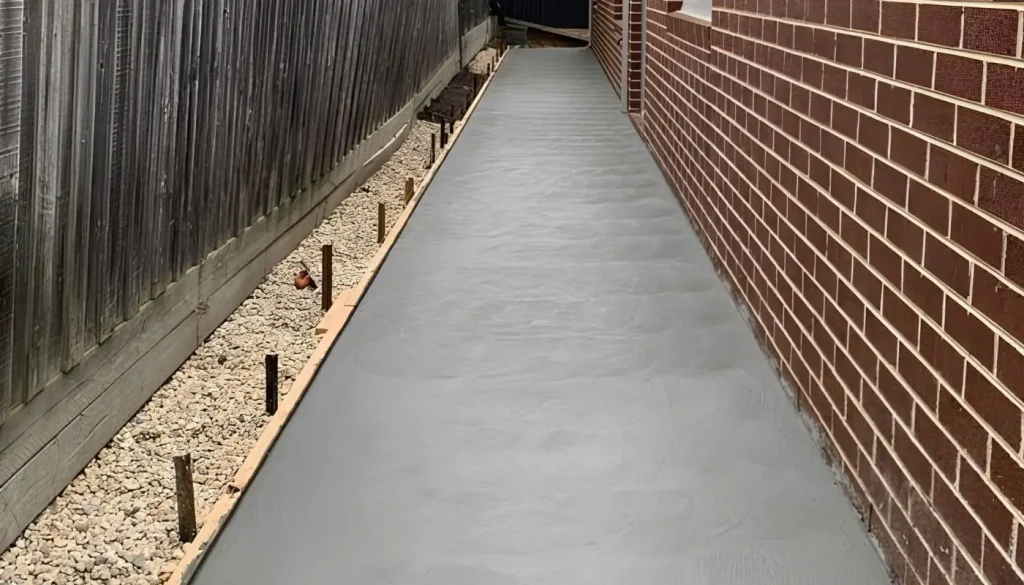
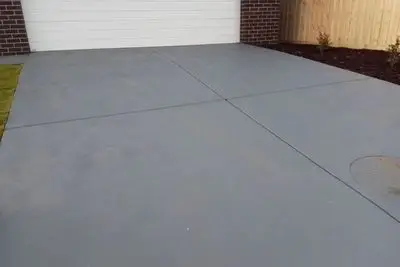
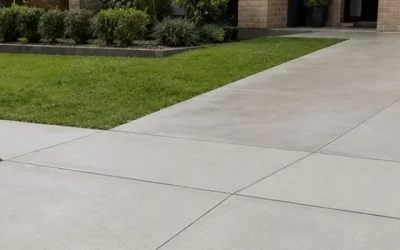
Plain concrete has a natural grey finish that ranges from light silver to a deeper charcoal depending on the mix and the curing conditions. It is not a one-note surface. Finishes like broom, exposed aggregate or salt-and-pepper textures can add grip and visual interest without any added colour.
A broom finish, for example, creates a subtle linear texture that suits most suburban homes and handles wet weather well underfoot. Plain concrete with a quality textured finish can look clean and considered rather than bare or unfinished.
It also tends to age consistently. The colour does not fade unevenly because there is no pigment to break down over time.
What Coloured Concrete Adds to the Picture
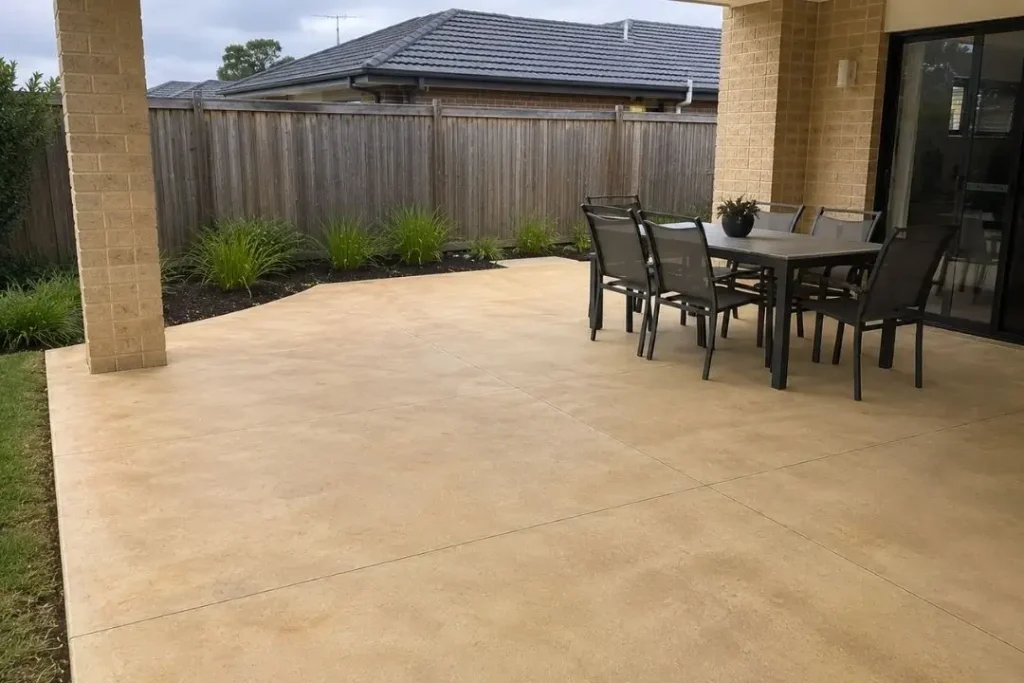
Coloured concrete uses oxide pigments mixed directly into the concrete before it is poured. The colour runs through the full depth of the slab, so surface chips or scratches do not expose a different shade underneath.
The range of available tones is broad. Warm earthy tones, slate greys, terracotta reds and sandy creams are all common choices for residential projects, and the range of colour options makes it straightforward to match an existing home exterior or landscaping palette.
A coloured concrete driveway can lift the street appeal of a home noticeably, particularly on properties where the driveway is a prominent feature from the street.
The Cost Difference Between the Two
Plain concrete is the more affordable option. The materials are standard and the pour process is straightforward, which keeps labour costs lower.
Coloured concrete costs more upfront because oxide pigments add to the material cost, and the mix requires more careful handling to achieve a consistent finish across the slab. The larger the area, the more that price gap widens.
Sealing is also a factor. Coloured concrete generally needs a quality sealer applied after installation and resealed every few years to maintain its appearance. Plain concrete can be left unsealed in many applications, though sealing still extends its life.
How Each Option Holds Up Over Time
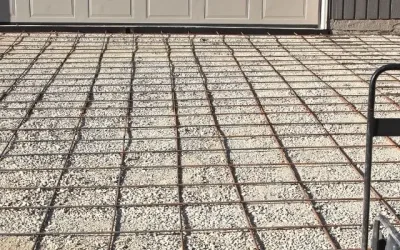
Both plain and coloured concrete are long-lasting when installed correctly. The concrete driveway installation process matters significantly here. Proper subbase preparation, correct mix design and adequate curing all affect how the slab performs over the years, regardless of whether colour is involved.
Plain concrete is low maintenance. Occasional cleaning keeps it looking tidy, and there is no sealer to reapply unless you choose to.
Coloured concrete requires a bit more attention. Without regular resealing, the surface can fade or become patchy, especially in areas with heavy sun exposure or vehicle traffic. In Penrith’s climate, UV exposure is a real consideration for any coloured surface.
Which Homes Suit Each Finish
Plain concrete suits homes with a contemporary or minimalist exterior, or properties where the concrete is a functional surface rather than a design feature. It also works well in areas where the budget needs to stretch across a large pour, such as a full driveway plus side paths and a rear patio.
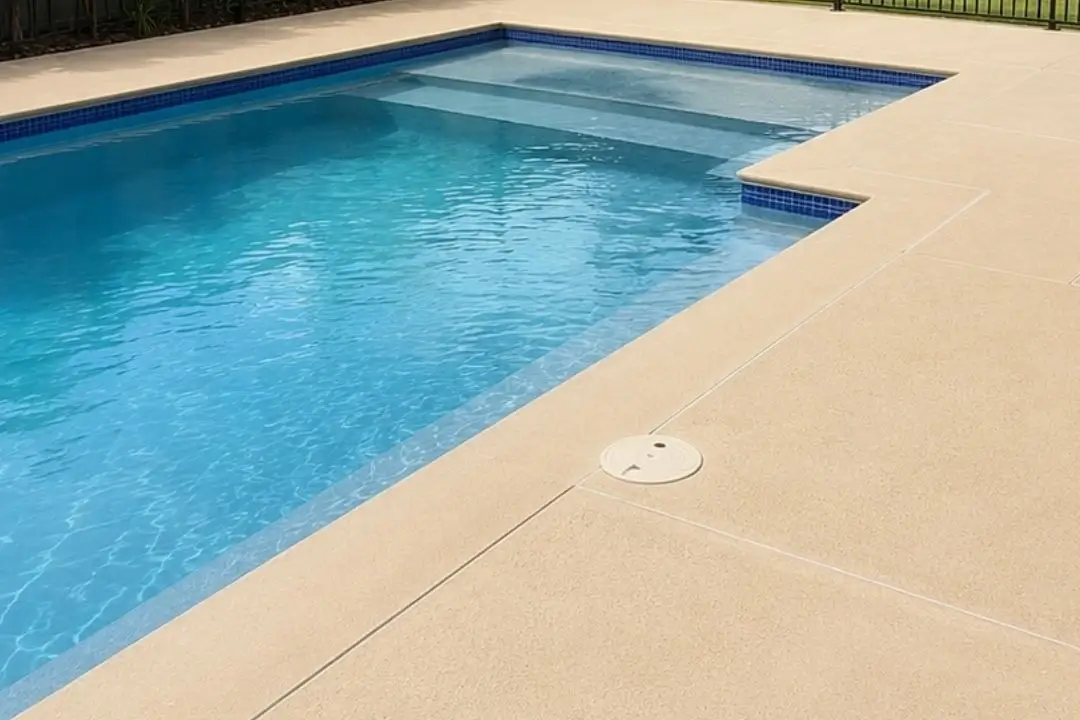
Coloured concrete suits homes where the outdoor area is a focal point, or where the existing landscaping, rendered walls or roof tiles have a warm or earthy tone that a grey slab would clash with. It is also a popular choice for entertaining areas and pool surrounds where the finish is on display year-round.
If your home has a brick or rendered facade in a warm tone, a natural oxide colour in the concrete can tie the whole exterior together in a way that plain grey cannot.
A Practical Way to Decide
Start with your budget. If the cost of coloured concrete would stretch the project uncomfortably, plain concrete with a quality finish is a sound choice that will still look good for years.

If budget is not the limiting factor, think about how visible the surface is from the street and how much it interacts with the rest of your home’s exterior. High-visibility areas like front driveways and entertaining zones benefit most from the added detail that colour brings.
It is also worth asking your concreter to show you samples of both finishes in natural light before committing. Colours look different on a screen compared to a cured slab in outdoor conditions.
Talk to Someone Who Knows the Area
If you are weighing up plain versus coloured concrete for a project in Penrith or the surrounding suburbs, our team can walk you through the options that suit your home and your budget. For concreting in Western Sydney that homeowners in the area rely on, call us on (02) 4703 9838 or send us a message through our project enquiry form and we will get back to you promptly.