Before Pouring a Shed Slab
A concrete slab provides a stable, level base for a garden shed, workshop, backyard studio or detached home office. While a small concrete shed slab may appear straightforward, its thickness, reinforcement and ground preparation need to suit both the structure and the way you plan to use it.
Before arranging a concrete slab for your shed, it is important to confirm the building dimensions, expected loads, site access and any council or approval requirements. These decisions can affect the slab design, preparation work and overall cost.
This guide answers the common questions Penrith and Western Sydney homeowners ask before pouring a concrete shed slab or preparing a foundation for a backyard studio, garden room or home office.
Do You Need Council Approval for a Shed Slab?
Many garden sheds in NSW fall under exempt development, which means no development application is required. However, there are size limits, setback requirements, and conditions that apply, so it pays to check before you build.
If your shed exceeds the exempt development thresholds, or if your property has specific zoning overlays, you may need approval before any concrete work begins. A quick check with Penrith City Council will confirm where you stand.
How Thick Does a Shed Slab Need to Be?
For a standard garden shed used for storage, a 100mm slab is typically sufficient. If you plan to park a vehicle, store heavy equipment, or use the space as a workshop, 125mm to 150mm is more appropriate.
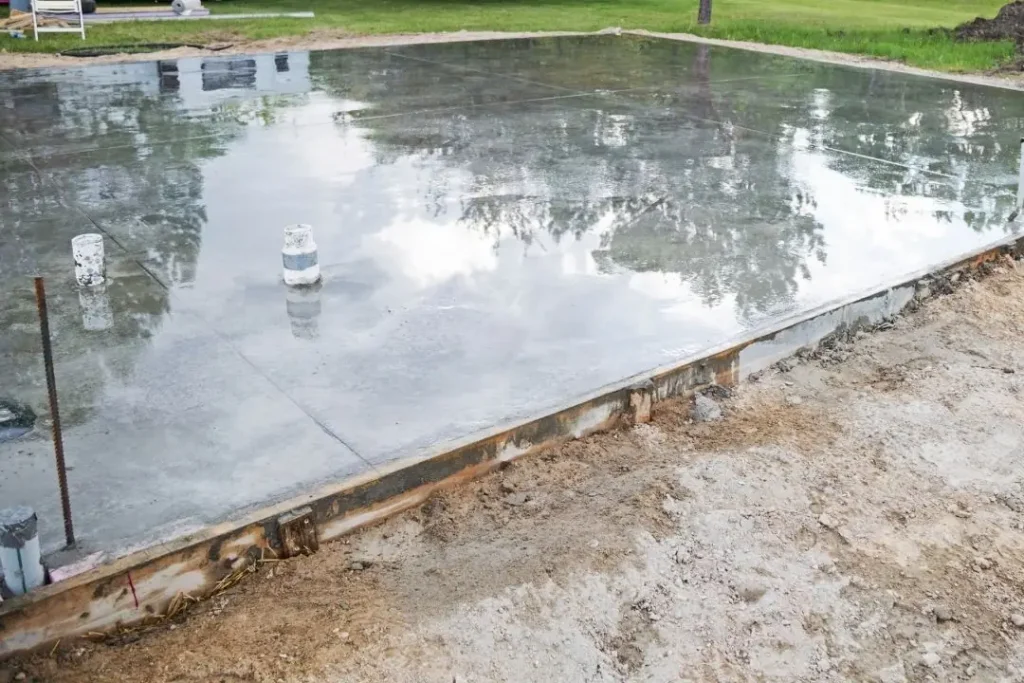
The thickness also depends on what sits underneath. Soft or unstable ground may need additional preparation before the concrete goes down, which affects both the slab depth and the overall cost.
Why Soil Type Matters More Than Most People Expect
Penrith and much of Western Sydney sit on reactive clay soils, which expand when wet and shrink when dry. This movement puts stress on concrete slabs over time and can cause cracking if the slab is not designed to handle it.
A concreter who knows the local ground conditions will assess the soil before recommending a slab design. Skipping this step is one of the more common reasons slabs crack prematurely.
Does a Shed Slab Need Reinforcement?
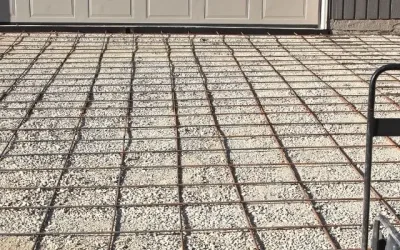
Yes, in most cases. Steel mesh reinforcement is standard for shed slabs in residential settings. It does not prevent all cracking, but it holds the slab together if movement does occur.
For larger structures, heavier loads, or reactive soil sites, a concreter may recommend a thicker slab with additional reinforcement or edge beams. The right approach depends on the specific site conditions and how the space will be used.
What Finish Is Best for a Shed Slab?
The right finish depends on whether the concrete will remain visible once the shed or backyard studio is complete.
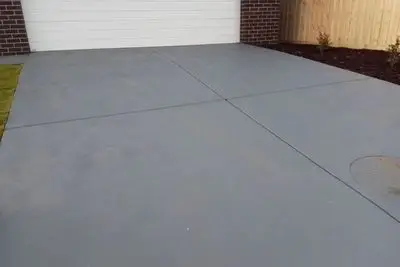
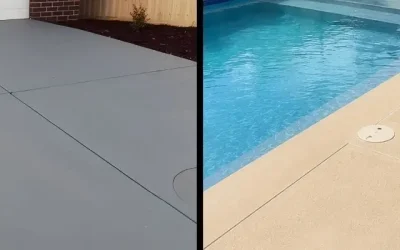
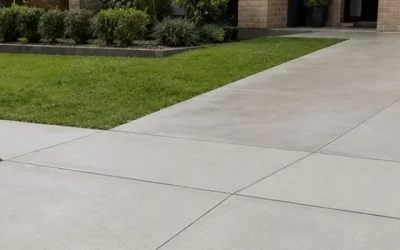
For storage sheds, workshops and other functional spaces, plain concrete is usually the most practical option. A smooth, level finish is easy to sweep, clean and maintain, while coloured concrete can be used if you want the slab to look more finished without adding separate flooring.
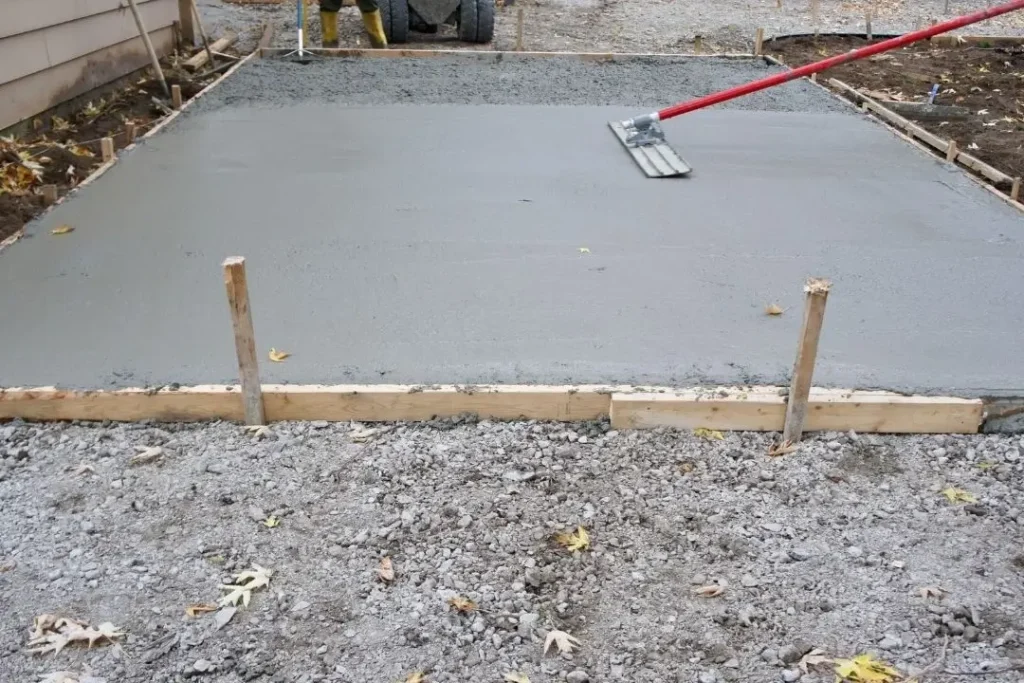
If the structure will be used as a home office, studio or entertaining area, the slab will often be covered with vinyl, laminate, carpet or another flooring material. In that case, the main priority is making sure the concrete is level, set at the correct height and prepared for the flooring system that will be installed later.
Let your concreter know how the space will be used before the pour so the slab can be finished accordingly.
How Much Does a Concrete Shed Slab Cost?
Cost depends on the size of the slab, the thickness required, site access, soil preparation needed, and the finish you choose. A small garden shed slab and a backyard studio slab can vary significantly in price even if the footprints look similar on paper.
Getting a quote based on your specific site is the only reliable way to understand what your project will cost. Ballpark figures from the internet rarely account for local ground conditions or access constraints.
Can You Pour a Shed Slab Yourself?
Technically yes, but most homeowners underestimate how much preparation is involved. Getting the formwork level, ordering the right concrete mix, and finishing the surface before it sets requires experience and the right equipment.
A poorly poured slab can crack, settle unevenly, or fail to drain properly. For a structure you plan to use for years, having an experienced concreter handle the work is the more practical choice.
How Long Before You Can Build on the Slab?
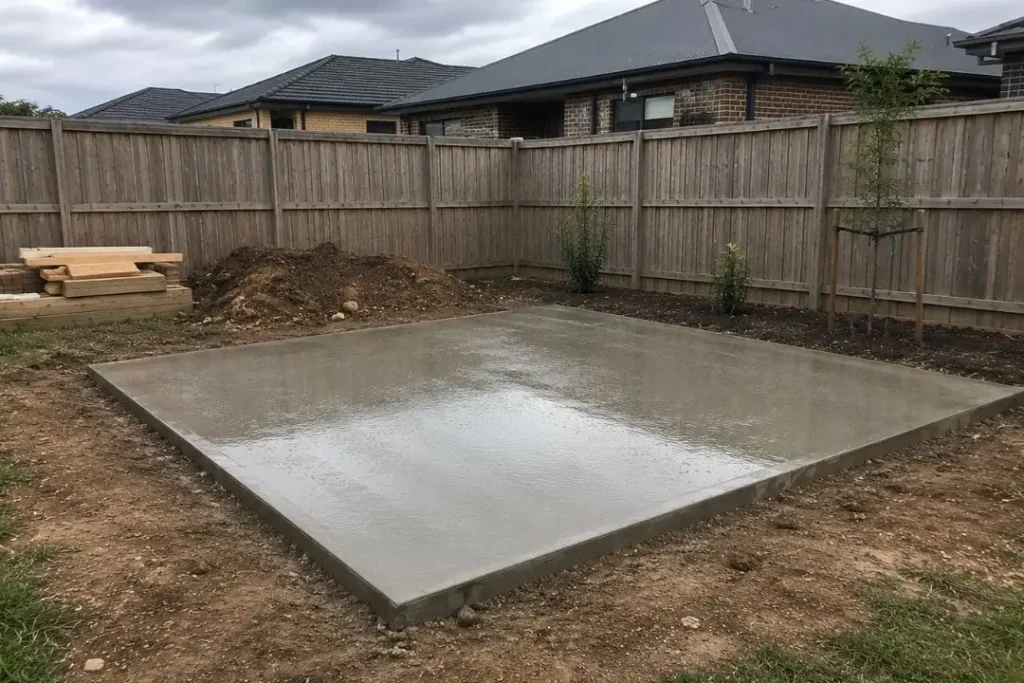
Concrete reaches workable strength within 24 to 48 hours, but it continues to cure and gain strength over the following weeks. Most shed manufacturers recommend waiting at least seven days before erecting a structure on a new slab.
Your concreter will advise on the specific curing time based on the mix used and the weather conditions at the time of the pour.
What to Do Before You Call a Concreter
Have a rough idea of the shed or garden room dimensions, how you plan to use the space, and whether you have checked the exempt development rules for your property. This information helps a concreter give you an accurate quote rather than a rough estimate.
Also consider site access. If a concrete truck cannot get close to the pour area, the job may require a pump or additional labour, which affects the price.
Ready to Get a Quote for Your Shed Slab?
If you are planning a shed, backyard studio or garden room in Penrith or the surrounding area, our team can assess your site, advise on the right slab design, and give you a clear quote.
For a concreter Penrith homeowners can rely on, call us on (02) 4703 9838 or send us a message through our online enquiry form.